Need residential stamped concrete in Portland?
Ready to talk through a new driveway or patio? Call or send a quick request, and a local provider in our network can follow up.
No obligation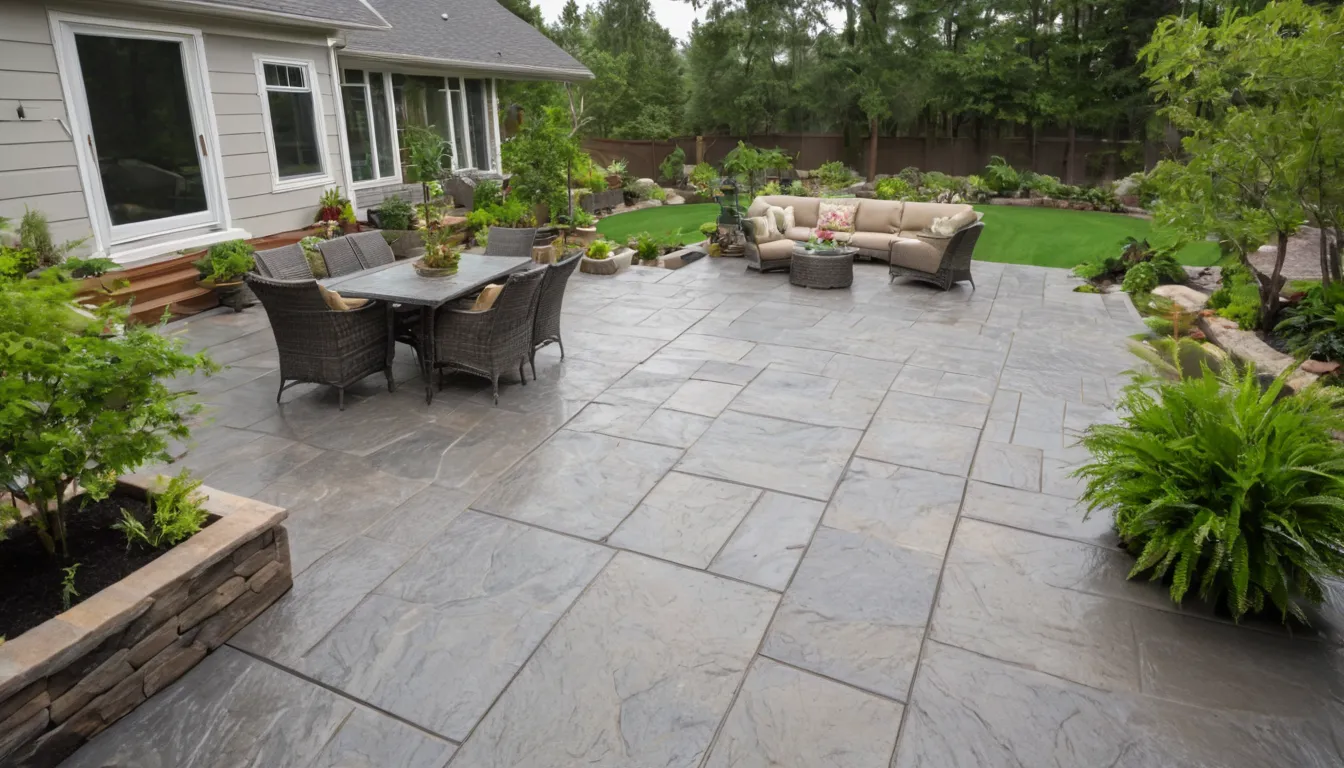
Say you look out at a bare, muddy patch and picture a patio with the warm look of slate. Stamped concrete is how that picture becomes real. A provider pours regular concrete, adds color, and presses patterns into the soft surface. Once it cures, it looks like stone, brick, or wood.
Deservesgirlfriend Concrete is a referral service. We do not pour or stamp anything. We explain the first steps in plain words, then connect you with independent providers in our network serving the Portland area. You can ask questions, compare quotes, and decide at your own pace. There is no obligation to hire anyone.
Say you stand at the back door on a gray morning. The yard is soggy. You want a spot for chairs and a grill, and you want it to look nice. Stamped concrete is a common answer. It is poured concrete with a pattern pressed in, so it looks like stone without the stone work.
You do not need to decide everything today. Take ten calm minutes. Stand where the patio would go. Note the size, the slope, and where the rain runs. Snap a few photos. Write down two or three looks you like. That is a solid start.
A lot of the early work belongs to you. It costs nothing and helps a provider quote more clearly.
Mixing, forming, and pouring concrete is heavy, fast work. Stamping must happen in a short window while the surface is soft. Miss it, and there is no do-over. Providers bring power screeds, stamp mats, and release agents, and they know how to read the weather. Leave the pour and the stamping to them.
Picture a week of steady rain. The yard turns soft and moss creeps in. Concrete needs firm, well-drained ground under it. Providers usually dig out soft soil, add packed gravel, and set forms so water runs away from the house. Point out any damp spots you have noticed.
Say one corner of an old slab has sunk, or the crawl space smells damp. Pause there. Talk with foundation repair experts before adding new concrete flatwork against the wall. A pretty patio should not hide a bigger problem.
If your real goal is concrete driveway repair on a cracked slab, that is a different job with its own steps. Mention it when you talk to a provider.
The process moves in a set order. Each step depends on the one before it.
Slate, ashlar stone, brick, cobble, and wood plank are all popular. Earth tones like tan, gray, and charcoal blend well with wood-frame homes and shaded yards. Many providers use two colors, a base and an accent, so the surface looks less flat.
Stamped concrete patios are the usual pick. It also suits walkways, pool decks, entry steps, and porch landings. Older craftsman homes often pair well with brick or stone looks. Newer townhomes often use a clean slate pattern on a small patio.
Long rainy stretches make surfaces slick. Ask about a slip-resistant sealer and a light texture. Shaded areas grow moss and damp film, so good drainage and sunlight access matter. Windy days can drop debris on the slab, so plan a simple sweep routine.
Pavers are many small pieces set over sand. They can be lifted and reset, which helps if you expect future work underneath. Stamped concrete is one solid slab, so it has fewer joints for weeds and moss. It can crack over time, though, and the color can fade. Ask a provider which fits your yard.
Times vary by size, weather, and the provider's schedule. Many patios take a few working days for prep, pouring, and stamping. Then the concrete needs time to cure before heavy use. Rain can push the schedule back, so keep your dates loose.
This part is yours, and it is simple. Sweep often. Rinse with a hose. Use a mild cleaner and a soft brush on moss. Skip harsh tools that scratch the sealer. Most sealers need a fresh coat every few years, so ask your provider for a schedule.
Ask to see photos of past stamped work. Ask how they prepare the base, how they handle drainage, and what sealer they use. Get the scope, materials, and price in writing. Compare more than one quote.
Say you have your photos and a rough idea. You are ready. Request a callback to check provider availability, or send a request and let a local provider reach out. Either way, you choose what happens next.
Slate, stone, brick, cobble, or wood looks pressed into fresh concrete by a local provider.
Base color, accent tones, and a sealer that fits your climate and your taste.
Digging out soft soil, packing gravel, and setting forms so rain drains away properly.
Heavy work and tight timing handled with pro tools, so the pattern comes out clean.
Prices depend on size, pattern, color, soil, and access to your yard. These are typical U.S. ranges only. Always get a written quote from a provider before you agree to any work.
| Item | Typical range | Notes |
|---|---|---|
| Stamped patio, per sq. ft. | $12 – $25 | Pattern and color choices move the price |
| Small patio, about 200 sq. ft. | $2,400 – $5,000 | Includes basic base prep in many quotes |
| Stamped walkway or entry | $1,500 – $4,500 | Curves and steps add labor |
| Site prep and gravel base | $2 – $5 per sq. ft. | Soft or sloped ground costs more |
| Sealer coat | $1 – $3 per sq. ft. | Needs a fresh coat every few years |
| Border or specialty pattern | $2 – $6 per sq. ft. | Custom work takes more time |
Walk the spot, take photos, measure roughly, and jot down the patterns and colors you like.
Request a callback to check provider availability, or send a short request online.
Ask providers about base prep, drainage, sealer, and schedule, then compare what is in writing.
Choose the provider you trust and set a loose date around the weather.
We explain the process simply so you can decide without pressure or rush.
Independent providers in our network know wet-season ground and local homes.
You know what you can do and what needs a professional.
Ask questions and compare quotes before you choose anyone to work.
Ready to talk through a new driveway or patio? Call or send a quick request, and a local provider in our network can follow up.
No obligationReady to talk through a new driveway or patio? Call or send a quick request, and a local provider in our network can follow up.
No obligation